There’s something incredibly exciting about deciding to get married somewhere that doesn’t feel like everyday life.
Maybe it’s a villa tucked into the Italian countryside. A ceremony overlooking the mountains. A tiny celebration somewhere warm where everyone spends the weekend barefoot. Or simply a place that means something to the two of you, even if getting there requires a passport and a slightly overpacked suitcase.
Destination weddings have a way of turning a wedding day into an entire experience.
And when you’re planning one, choosing your photographer can feel a little different too.
You’re not only hiring someone whose photographs you love. You’re trusting someone to travel with you, understand what matters to you, work confidently in a location that may be unfamiliar, adapt when plans inevitably shift, and document a celebration you’ve probably spent months—or years—dreaming about.
So what should you actually look for in a destination wedding photographer?
Choose a Photographer for How They See, Not Just Where They’ve Been
It’s easy to get caught up looking for a photographer who has already photographed your exact venue.
And while knowing a venue can certainly be useful, familiarity isn’t the only thing that creates beautiful photographs.
A photographer’s ability to read light, find strong compositions, make people comfortable and adapt quickly matters everywhere.
In fact, weddings rarely unfold exactly according to plan, whether they’re happening five minutes from home or an ocean away.
The light changes.
The timeline runs late.
The ceremony gets moved.
Someone disappears exactly when family photographs are supposed to start.
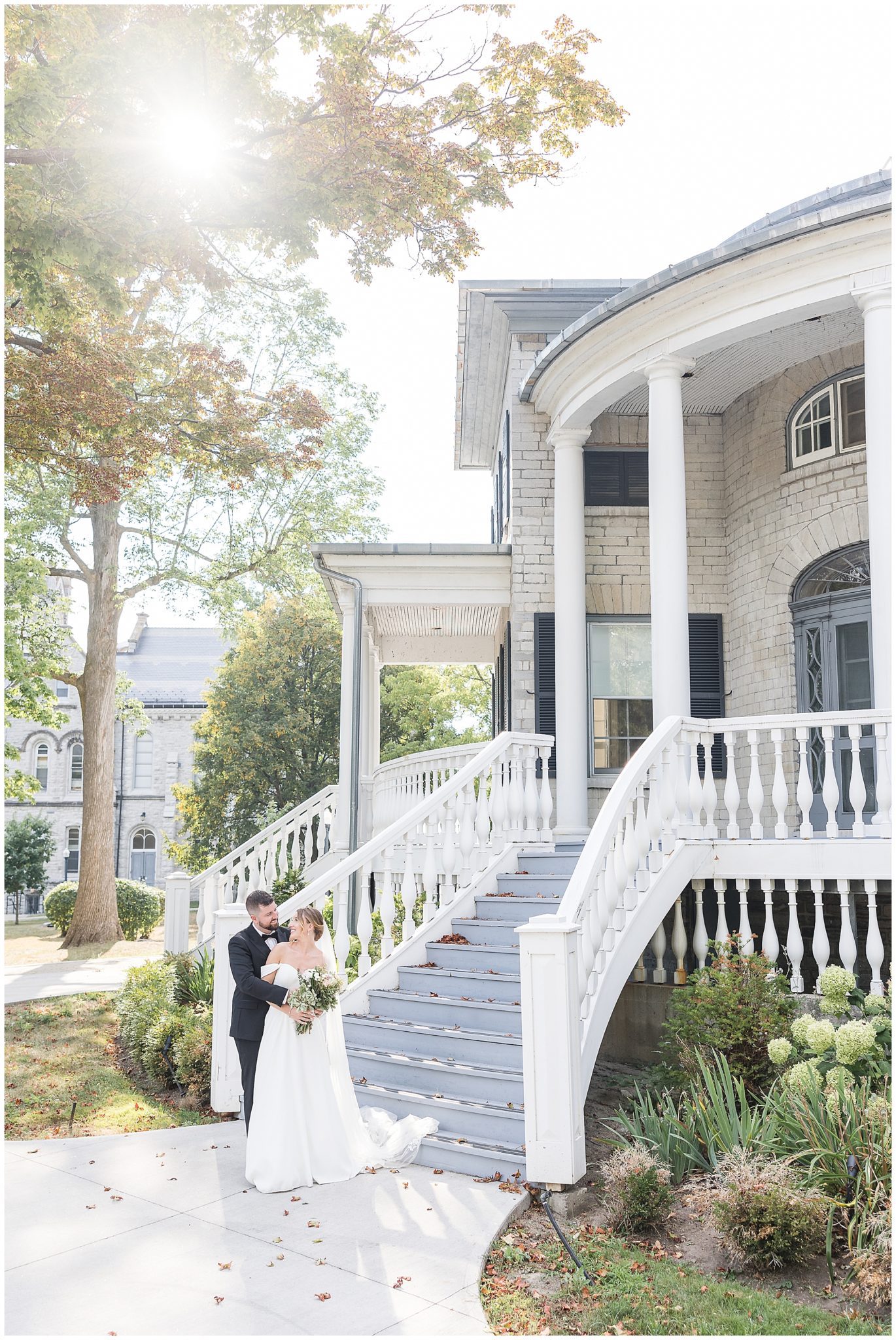
Wind has its own opinion about your veil.
A skilled wedding photographer knows how to work with what’s actually happening rather than relying on everything being predictable.
That adaptability becomes especially valuable at a destination wedding.
Your Photographer Should Be Doing Their Homework
Arriving somewhere new shouldn’t mean arriving unprepared.
Before photographing a wedding in a new destination, there is plenty a photographer can research and plan ahead of time: sunset and sunrise times, likely weather conditions, transportation between locations, venue layouts, photography restrictions, local customs and how the timeline interacts with the best available light.
There should also be room to explore once they arrive.
Sometimes the photograph that feels most like a place isn’t at the obvious landmark. It’s a quiet street around the corner, the light coming through your hotel window or the view you stumble across on the walk back from dinner.
Good preparation creates space for those spontaneous photographs because the important logistics have already been considered.
Look for Evidence of Adaptability in Their Existing Work
If you’re considering bringing a photographer to a destination they haven’t photographed before, look closely at their existing portfolio.
Not for photographs from that particular country.
Look for consistency.
Can they photograph beautiful portraits in bright sunshine as well as soft evening light?
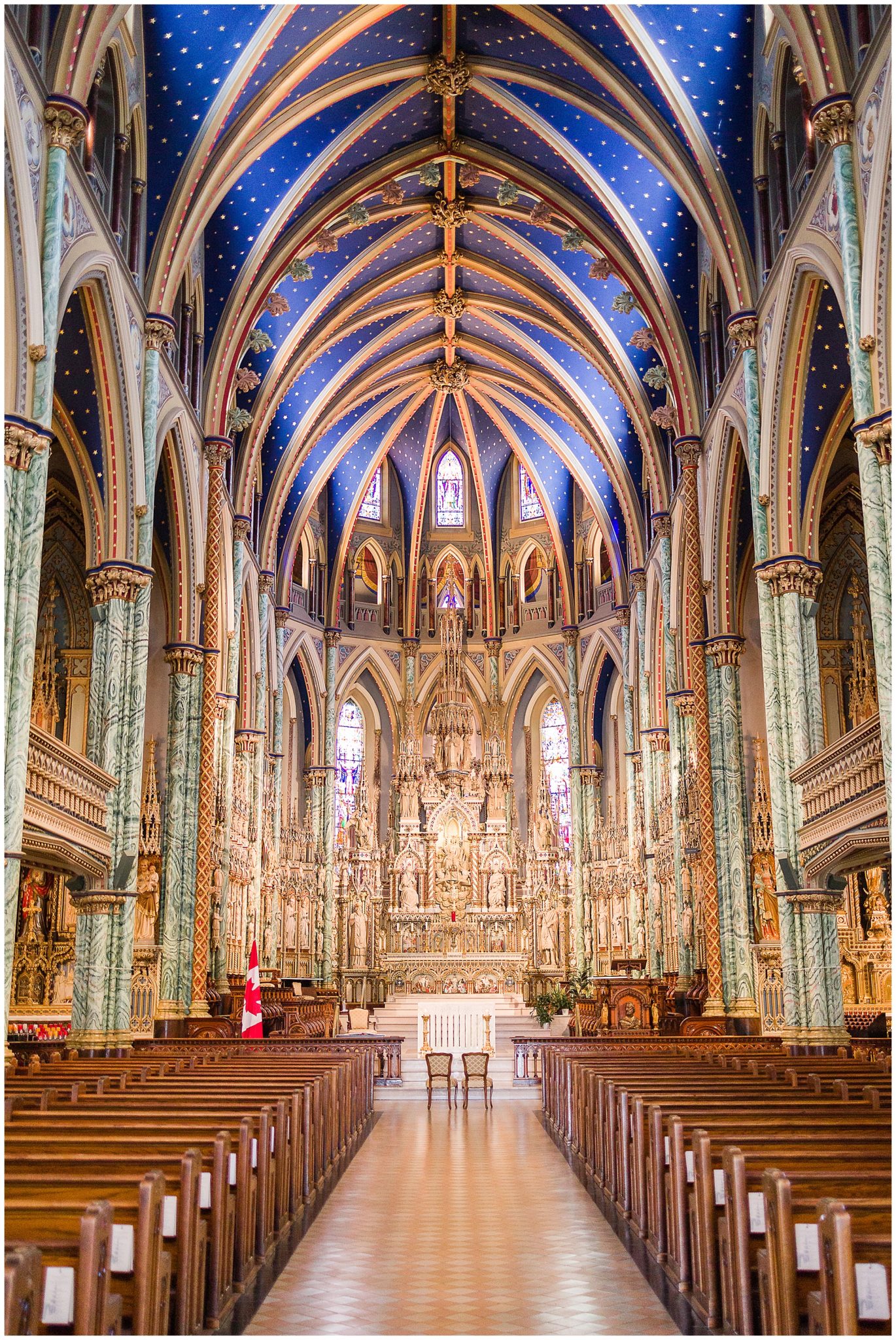
Can they handle indoor ceremonies and dark reception spaces?
Do their photographs still feel intentional when the weather isn’t perfect?
Can they capture the polished details of a wedding without losing the spontaneous, emotional moments happening around them?
A strong portfolio should show that the photographer isn’t dependent on one venue, one lighting situation or one kind of wedding day to create beautiful work.
That tells you far more about how they’ll approach somewhere new.

Destination Wedding Photography Is About More Than the Scenery
Of course, if you’re getting married somewhere spectacular, the location deserves to be part of the story.
But your wedding photographs shouldn’t turn into a travel brochure.
Years from now, the mountain or coastline will still matter—but so will your dad’s expression before the ceremony, your best friend’s reaction during the speeches, the chaos on the dance floor and the way the two of you looked at each other when nobody else was paying attention.
The strongest destination wedding galleries do both.
They give the location enough space to breathe while keeping the people at the centre of the story.
Wide photographs can show just how extraordinary your surroundings were. Close, quiet photographs remind you what it actually felt like to be there.
You need both.

Think Beyond the Wedding Day
One of the best things about destination weddings is that they rarely feel confined to a single day.
Your favourite memories might begin at welcome drinks the night before.
Maybe everyone meets for dinner after arriving. There’s a pool afternoon, a boat trip, a rehearsal dinner or a very slow breakfast the morning after the wedding.
When people have travelled a long way to celebrate with you, those smaller gatherings become part of the story too.
That’s worth considering when you’re choosing your photography coverage.
Instead of asking only, “How many hours do we need on the wedding day?” think about what parts of the entire experience you’ll want to remember ten or twenty years from now.
Sometimes the moments surrounding the wedding become just as meaningful as the ceremony itself.
Ask About Travel Before You Book
Destination photography packages can be structured differently from photographer to photographer, so this is one area where clarity matters.
Before booking, make sure you understand what’s included in your photography collection and what happens with travel-related costs.
Depending on the photographer and destination, that could include flights, accommodation, local transportation, baggage, additional coverage or extra days surrounding the wedding.
You should also talk about arrival timing.
Whenever possible, arriving with breathing room before the wedding gives your photographer time to account for travel disruptions, become familiar with the area and prepare properly before coverage begins.
There are enough moving pieces in a destination wedding already. Photography shouldn’t add another mystery to the list.

You Should Actually Want This Person at Your Wedding
This sounds obvious, but it’s surprisingly important.
Your photographer will be around for some incredibly personal moments.
They may be there while you’re getting dressed, when nerves hit five minutes before the ceremony, when family dynamics get complicated and when you’re finally alone together after saying your vows.
At a destination wedding, you may spend even more time together.
So beyond loving someone’s photographs, pay attention to how they make you feel.
Do you trust them?
Can you ask questions without feeling silly?
Do they understand what’s important to you?
Do you feel like you’ll be able to relax around them?
The photographs matter enormously. But the experience you have while they’re being created matters too.
What If Your Photographer Hasn’t Been to Your Destination Before?
This is one of the questions couples sometimes hesitate to ask.
And it’s a fair one.
Personally, I don’t believe a photographer needs to have photographed your exact venue—or even your exact destination—to create meaningful photographs there.
What matters is whether they have the photographic skill, preparation and adaptability to walk into a new environment and see possibilities.
There is also something creatively exciting about experiencing a location with fresh eyes.
I would never pretend to know a destination I haven’t photographed before. I’d rather research it thoroughly, arrive prepared, explore it properly and approach it with curiosity.
Because wherever your wedding happens, my job remains the same: understand the people in front of me, notice what’s happening around them and create photographs that feel like their experience rather than somebody else’s.
Planning a Destination Wedding?
If you’re planning a wedding somewhere meaningful to you and looking for photography that feels natural, thoughtful and full of the atmosphere of the place, I’d love to hear what you’re dreaming up.
Tell me where you’re getting married, what drew you there and what you want the celebration to feel like.
It might just be somewhere I’ve been hoping my camera would take me next.